Loading Design... please wait.।
Wave Invoice Maker
Invoicing is an essential part of managing sales, services, and customer payments. A clear invoice helps businesses explain what was provided, how much it costs, and when the payment is expected.
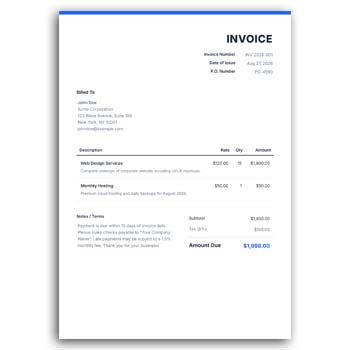
The Wave Invoice Maker is a popular concept for businesses and independent professionals looking for a straightforward way to prepare invoices. Whether you are a freelancer, small business owner, consultant, or service provider, a structured invoice can make everyday billing more organized.
Important Features
- ✓ Prepare professional business invoices
- ✓ Add seller and customer information
- ✓ Enter products or service descriptions
- ✓ Add quantities and prices
- ✓ Include taxes and discounts
- ✓ Display subtotal and final amount
- ✓ Add payment terms and due dates
- ✓ Include business logo and branding
- ✓ Keep invoice information organized
- ✓ Prepare invoices for digital sharing or printing
What Is an Invoice Maker?
An invoice maker is a tool that helps users create a structured billing document. Instead of designing an invoice manually every time, you can enter the required information into predefined sections.
Depending on the platform, an invoice maker may provide additional functions such as customer management, payment tracking, recurring invoices, or accounting-related features.
Why Use an Online Invoice Tool?
Creating invoices from scratch can be repetitive, especially for businesses that bill customers regularly. An online invoice tool can simplify the process by providing a ready structure for common billing information.
This approach can save formatting time and help maintain a consistent appearance. However, every invoice should still be reviewed carefully before it is sent.
Invoice Information Checklist
| Information | Check |
|---|---|
| Business name | ✓ |
| Business contact details | ✓ |
| Customer information | ✓ |
| Invoice number | ✓ |
| Issue date | ✓ |
| Product or service details | ✓ |
| Quantity | ✓ |
| Unit price | ✓ |
| Tax or discount | ✓ |
| Total amount | ✓ |
| Payment terms | ✓ |
| Logo/branding | ✓ |
Advantages and Limitations
| Advantages | Limitations |
|---|---|
| ✓ Simplifies routine invoice preparation | • Available features depend on the platform |
| ✓ Provides an organized billing structure | • Users remain responsible for correct data entry |
| ✓ Suitable for many small businesses | • Tax rules vary between countries |
| ✓ Reduces repetitive formatting | • Advanced accounting may require additional tools |
| ✓ Supports professional customer communication | • Templates do not automatically ensure legal compliance |
| ✓ Can help organize transaction information | • Final calculations should always be verified |
Add Your Business Identity
A professional invoice should clearly identify the business or individual providing the goods or services. Business name, address, email, phone number, website, and other relevant details can be placed in the header.
A logo can also be included to create a stronger brand identity. Keep the header clean so the customer can immediately understand who issued the invoice.
Enter Customer Details
The customer section connects the invoice with the person or organization receiving the goods or services. Depending on the transaction, it may contain a name, company, billing address, email, or other necessary information.
Accurate customer information is particularly important for business transactions. Check spelling and billing details before issuing the final invoice.
Describe Products and Services
The itemized section explains what the customer is paying for. Each product or service can be listed separately with a short description, quantity, rate, and applicable amount.
Clear descriptions can reduce confusion and make the invoice easier to verify. Avoid using vague descriptions when a more specific explanation is available.
Pricing Breakdown
A good invoice should make the calculation easy to follow. Showing quantities, unit prices, and line totals gives customers a better understanding of the charges.
The subtotal can then be followed by discounts, taxes, shipping, service charges, or other adjustments where applicable. The final amount should stand out clearly.
Payment Terms
Payment information tells customers how and when they should settle the invoice. Businesses can include accepted payment methods, due dates, bank details, or other relevant instructions.
For recurring business relationships, clearly stated payment terms can help avoid misunderstandings. Always ensure the payment information is current.
Related Stationery Designs
Business billing documents are often used alongside other stationery. The Cash Memo Format Editable Colourful Design provides an alternative format for documenting customer transactions.
For another editable billing option, explore the Cash Memo Format Editable Free Download.
Healthcare professionals may have different documentation needs, such as the Doctor Prescription Format Editable Free Download.
Invoices for Freelancers
Freelancers can use invoices to charge clients for graphic design, web development, writing, consulting, marketing, photography, and many other services.
The invoice can describe the project, agreed fee, completed milestones, hours worked, or additional expenses. Keeping the description specific helps the client understand the reason for the charge.
Small Business Billing
Small businesses often need invoices for both products and services. A simple and consistent format can help them communicate transaction details without creating unnecessary paperwork.
As a business grows, it may benefit from connecting invoicing with accounting, inventory, customer management, or payment systems.
Online Sellers
E-commerce businesses can use invoices to document customer orders. Product names, quantities, prices, discounts, shipping charges, and taxes can be included according to the business requirements.
Before sending the invoice, compare the information with the original order. The customer’s details and final amount should match the transaction.
Service Providers
Consultants, agencies, contractors, repair businesses, tutors, and other professionals can create invoices based on completed work.
Service invoices may use hourly rates, fixed project fees, milestone payments, or recurring charges. The format should clearly reflect the agreed billing arrangement.
Recurring Invoices
Some businesses provide the same service on a weekly, monthly, or yearly basis. A reusable invoice structure can make recurring billing faster.
However, the invoice date, billing period, amount, and customer information should be checked for every new invoice. Do not assume that a previous invoice is still accurate.
Digital Invoice Sharing
Digital invoices are useful when businesses communicate with customers remotely. A completed invoice can be sent through email or another appropriate online channel.
Before sending it, open the final document and check that the layout, totals, and payment instructions are displayed correctly. Keep a copy for business records when appropriate.
Printed Invoices
Printed invoices are still useful for physical stores, offices, local service providers, and face-to-face transactions. A clean layout should remain readable on the selected paper size.
Always test a sample before printing a large quantity. Pay particular attention to margins, small text, totals, and logo quality.
Invoice Numbering
An invoice number provides a reference for identifying a specific billing document. Using a consistent numbering system makes invoices easier to organize and locate later.
Avoid duplicate numbers and keep the numbering sequence consistent with your business record-keeping process. A clear system becomes increasingly valuable as transaction volume increases.
Taxes and Discounts
Taxes and discounts should be displayed clearly whenever they apply. Showing these amounts separately can help customers understand how the final total was calculated.
Tax requirements differ by location and business type. Always follow the applicable rules instead of assuming that a generic invoice automatically handles every tax situation correctly.
Keep Invoices Accurate
A professional invoice is only useful when the information on it is correct. Check the customer name, invoice number, date, item descriptions, prices, taxes, discounts, and final total before sending it.
A short final review can prevent avoidable payment disputes. This becomes particularly important when handling many invoices at the same time.
Invoice vs Cash Memo
An invoice and a cash memo can both document commercial transactions, but their use can differ depending on the business process. An invoice commonly provides a detailed request or record of payment, while a cash memo may be used to document a cash sale.
The appropriate document depends on the transaction and local business practices. Businesses should use the format that fits their accounting and legal requirements.
General Invoice Background
Invoices are widely used to document the supply of goods or services and the amount charged to a customer. They can contain information about the seller, buyer, transaction, pricing, taxes, and payment terms.
For general information about invoices, see Invoice on Wikipedia.
Invoice Design Inspiration
A good invoice does not need to be overly decorative. Clear alignment, readable typography, sufficient spacing, and a logical information hierarchy can make a billing document look professional.
For additional visual inspiration, you can explore Invoice Templates.
Easy Invoice Workflow
Begin by entering the business and customer information. Add the invoice number and date, then list the products or services with their quantities and prices.
Apply relevant taxes, discounts, shipping fees, or other charges. Review the final total and payment instructions before saving, printing, or sending the invoice.
Organize Your Records
Keeping invoices organized can make it easier to track transactions and outstanding payments. Businesses can sort documents by invoice number, customer, date, or project.
The appropriate record-retention process depends on the business and applicable regulations. An invoice maker can help create documents, but businesses still need an appropriate system for managing their records.
Who Can Use an Invoice Maker?
Freelancers, startups, consultants, agencies, retailers, online sellers, contractors, and service providers can benefit from a structured invoice creation process.
The ideal invoice format depends on the type of business and transaction. Customize the document so that it contains the information your customers and business processes actually require.
Final Thoughts
The Wave Invoice Maker represents a convenient approach to creating organized and professional invoices. A structured invoice can help businesses clearly communicate products or services, prices, taxes, discounts, totals, and payment terms.
Whether you are billing a single client or managing regular business transactions, keeping invoices accurate and easy to understand should remain the priority. A simple, consistent invoicing workflow can save time and make customer communication more professional.
Leave a Reply